Source Programming Conversion Burning Socket for Industrial Use
Find reliable programming conversion burning socket options for commercial, industrial, and residential applications. Compare 30 products featuring USB and ordinary socket functions with certifications like CE and CCC to meet your specific voltage and grounding needs; compare the available evidence and request quotations based on your requirements.
Key considerations
Products List


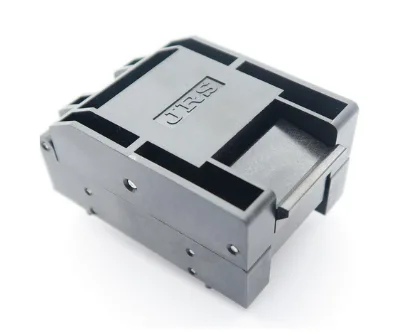
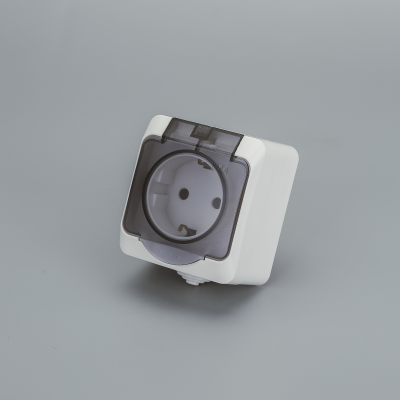
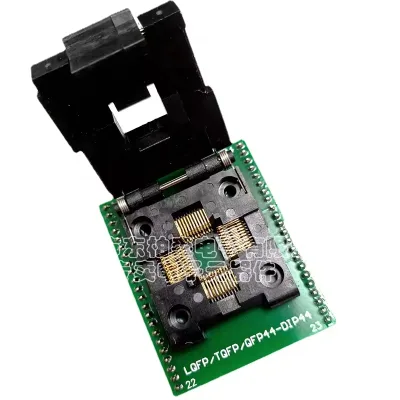
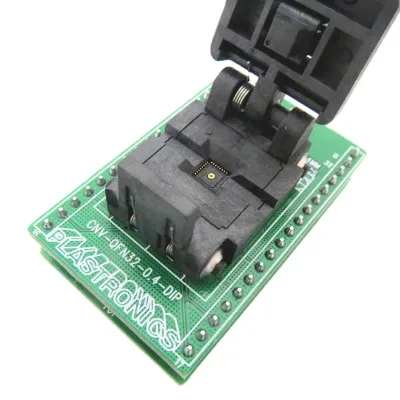


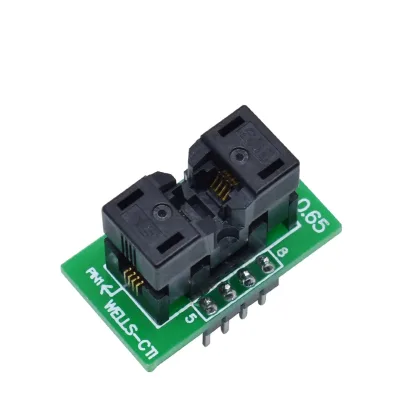
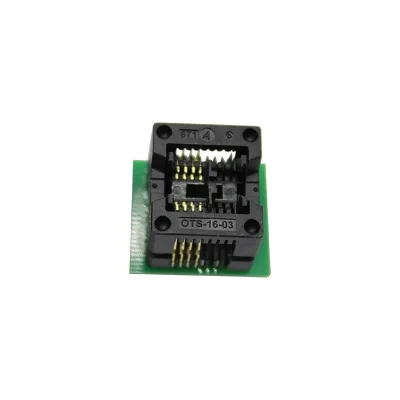


Comprehensive Sourcing Guide
Programming Conversion Burning Socket Sourcing Guide
The term "programming conversion burning socket" often conflates standard electrical power distribution units with specialized programming interfaces for embedded systems. In the current market, observed listings primarily feature standard wall sockets and USB-integrated power outlets rather than devices explicitly designed for firmware burning or high-speed data conversion. Buyers must distinguish between general-purpose power distribution units and specialized hardware that supports data transmission protocols, as the supplied product data reflects standard residential and commercial electrical components rather than dedicated programming tools.
Procurement strategies should focus on verifying the actual functional intent of the listed items, as many products labeled with similar keywords are simply multi-functional power strips or USB charging stations. The observed product range includes ordinary sockets, USB sockets, and travel adapters with varying current ratings, but none explicitly confirm a "burning" or "programming" capability in the provided specifications. Sourcing teams must therefore clarify with suppliers whether the device supports data lines or if it is strictly a power delivery unit, ensuring the selected component aligns with the specific technical requirements of the intended application.
Product Scope and Observed Listing Signals
Market analysis reveals a diverse range of electrical sockets, including ordinary sockets, USB sockets, and travel adapters, with observed models ranging from F14 to VB14-2 and SUM-TravelSocket. These products typically feature standard grounding or non-grounding configurations and are designed for commercial, industrial, and residential applications. The observed listings indicate a wide variation in physical dimensions, with some units measuring 118x75mm while others are compact travel adapters at 61x46x55mm, reflecting the broad scope of available power solutions.
Buyers should note that the observed product attributes include specific packing configurations, such as 6 pieces per inner box or 100 pieces per outer carton, which influence logistics planning. The presence of both "With Switch" and "Without Switch" variants suggests that functional customization is a key differentiator in this category. While the keyword implies specialized data functionality, the actual market signals point toward general-purpose electrical interfaces, requiring buyers to carefully filter listings to find components that might support the specific data or programming needs of their projects.
Technical Specifications to Verify
Critical technical parameters for these electrical components include rated current, operating voltage, and frequency, which are essential for ensuring compatibility with the target electrical grid. The observed data specifies rated currents of 6A and 16A, with operating voltages ranging from 220V to 250V and a standard frequency of 50Hz. Buyers must verify that the selected socket's current rating matches the load requirements of the connected devices, as exceeding these limits can lead to overheating or failure, particularly in industrial or high-density commercial environments.
Physical dimensions and mounting types are equally vital for integration into existing infrastructure. Specifications such as device width, depth, and height, along with the minimum depth required for flush-mounted boxes, must be cross-referenced with the installation site constraints. The observed data highlights flush-mounted options with specific depth requirements, such as a minimum of 40mm, which dictates the necessary cavity size in walls or panels. Ensuring these mechanical fitments are correct prevents installation delays and ensures a secure, professional finish for the final product.
Compliance and Safety Documentation
Safety certifications are a non-negotiable aspect of sourcing electrical components, with observed listings frequently citing CCC, CE, and ROHS compliance. These certifications indicate adherence to specific regional safety standards and environmental regulations, ensuring that the materials used, such as flame-retardant PC plastic, meet rigorous safety thresholds. Buyers must request valid certification documents for each batch to confirm that the products have undergone the necessary testing procedures and have not been subject to unauthorized modifications that could compromise safety.
In addition to certifications, the material composition and protection class must be verified to ensure long-term reliability and user safety. The observed shell materials include flame-retardant PC plastic and ABS, which are standard for preventing fire hazards in electrical applications. The IP rating, often noted as IPX0 for these indoor units, indicates that the devices are not protected against water ingress, making them suitable only for dry indoor environments. Procurement teams should explicitly confirm the IP rating and material safety data sheets to avoid selecting components that are unsuitable for the intended operating environment.
Cost Drivers and Commercial Terms
Pricing in this category is influenced by the complexity of the design, the inclusion of USB ports, and the specific customization options requested by the buyer. The observed price range spans from $0.01 to $153.29, reflecting the vast difference between basic ordinary sockets and more complex units with advanced features or higher current ratings. Buyers should analyze the cost structure to understand whether the price difference is driven by material quality, such as the use of iron versus plastic, or by the inclusion of additional functional elements like switches or USB charging capabilities.
Minimum Order Quantities (MOQ) and packaging configurations significantly impact the total cost of ownership and inventory management. The observed MOQ ranges from 1 to 100,000 units, offering flexibility for both small-scale prototyping and large-scale industrial deployment. Packaging details, such as 1 piece per poly bag or 120 pieces per outer carton, affect shipping costs and storage requirements. Procurement strategies should balance the unit price against the MOQ to optimize cash flow, ensuring that the order volume aligns with production schedules and storage capacity without incurring unnecessary holding costs.
Supplier Qualification and Quality Control
Supplier qualification requires a thorough review of the manufacturer's origin and production capabilities, as the observed data indicates origins in China, specifically Guangdong and Jiangsu provinces. These regions are known for their robust manufacturing ecosystems, but buyers must verify the specific factory's quality management systems to ensure consistent product output. It is essential to confirm that the supplier has a proven track record of meeting the specified standards, such as the IEC60884-1 standard, which governs the safety and performance of electrical accessories.
Quality control protocols should be established to verify that every batch meets the agreed-upon specifications, including current ratings, material composition, and dimensional accuracy. Buyers should implement incoming inspection procedures to check for defects in the shell material, grounding integrity, and the functionality of any integrated switches or USB ports. Given the variation in observed models, such as the ETM708P and SUM-TravelSocket, it is crucial to maintain a clear specification sheet that defines the exact requirements for each order to prevent the receipt of non-compliant or mismatched products.
Long-Term Procurement Checks
Sustaining a reliable supply chain for electrical components involves regular audits of supplier performance and product consistency over time. Buyers should establish a schedule for periodic quality reviews to ensure that the products continue to meet the original safety and performance standards, particularly as manufacturing processes or material suppliers may change. This proactive approach helps identify potential issues early, such as deviations in current ratings or material degradation, before they impact the final assembly or end-user experience.
Future-proofing the procurement strategy requires monitoring industry trends and regulatory updates that may affect the compliance status of the products. As global standards evolve, suppliers must adapt their manufacturing processes to maintain certifications like CE and ROHS, and buyers should stay informed about these changes to avoid supply disruptions. By maintaining open communication with suppliers and staying engaged with the latest technical developments, procurement teams can ensure a stable supply of high-quality electrical sockets that meet the evolving needs of their commercial and residential projects.
FAQs
What certifications are available for these sockets?
These sockets are available with CCC, CE, and RoHS certifications. These marks indicate compliance with specific safety and environmental standards required for various international markets. Buyers should verify which specific certification is needed for their target region before placing orders to ensure regulatory compliance and smooth customs clearance.
Can I customize the socket design?
Yes, customization is available for these products. Manufacturers offer tailored solutions to meet specific branding or functional requirements. Buyers can request modifications to the shell material, such as flame-retardant PC plastic, or adjust the packaging options. This flexibility allows businesses to align the product with their unique market needs and quality standards.
What is the rated current for these models?
The rated current varies by model, with options including 6A and 16A. The 16A models are suitable for higher-power applications, while 6A versions are ideal for standard residential or general-purpose use. Selecting the correct current rating is essential for safety and performance, ensuring the socket handles the intended electrical load without overheating.
How are these sockets packaged for shipping?
Packaging options include 6 pieces per inner box with 120 pieces per outer carton, or 1 piece per poly bag with 10 pieces per inner box. Some models use neutral packaging in carton boxes. These varied packing methods help optimize shipping volume and protect the products during transit, reducing damage risks for bulk orders.
Are USB ports included in these sockets?
Yes, certain models feature USB ports, including single USB-A port configurations. These integrated USB sockets provide convenient charging capabilities for devices, combining standard power outlets with modern connectivity. The output voltage supports multiple standards, making them versatile for residential, commercial, and industrial applications where device charging is frequently required.
What materials are used for the socket shell?
The shell materials typically include flame-retardant PC plastic and ABS. These materials are chosen for their durability, safety, and resistance to heat and impact. The use of high-quality plastics ensures the sockets meet safety standards while providing a sleek appearance suitable for residential, commercial, and industrial environments requiring reliable electrical connections.